
Camino Inca Complete Trekking Guide

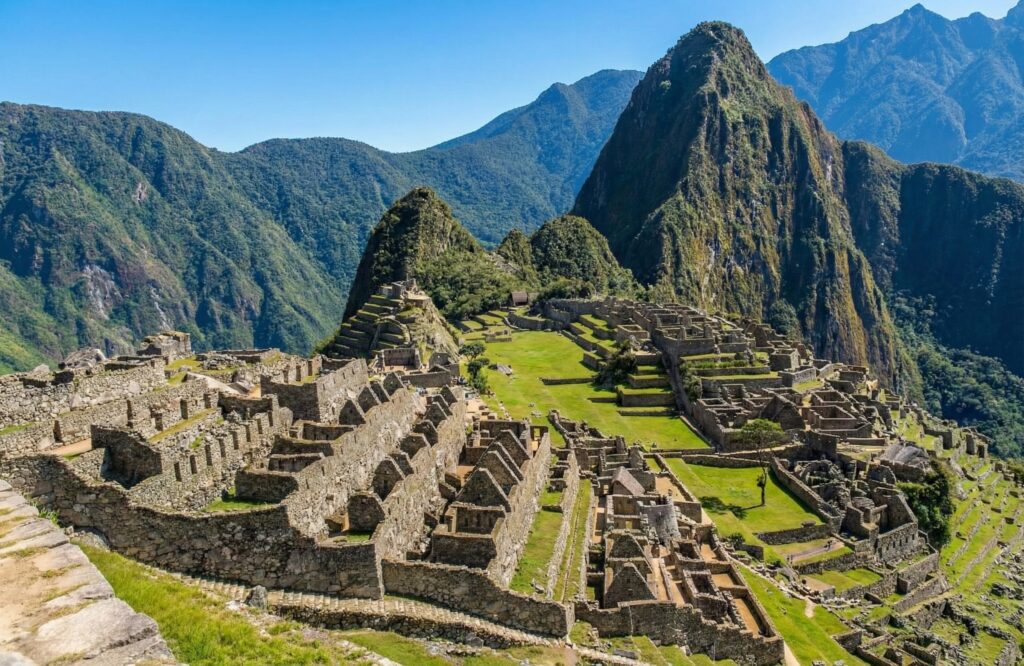
The Inca Trail to Machu Picchu is one of the most renowned trekking routes in the world and the only one that allows entry to Machu Picchu through the original access point of Inti Punku (Sun Gate). This hike combines history, Andean landscapes, and archaeological heritage in a multi-day experience.
This guide explains what the Inca Trail is, how long it lasts, where it begins, and its main variations, offering a clear overview for those who wish to understand the route before booking.
Quick Facts About the Classic Inca Trail
| Fact | Information |
|---|---|
| Distance | 44 km / 27.3 miles |
| Duration | 4 days / 3 nights |
| Difficulty | Moderate |
| Maximum altitude | 4,215 m / 13,829 ft |
| Minimum altitude | 2,453 m / 8,047 ft |
| Elevation gain | 2,860 m |
| Elevation loss | 3,057 m |
What Is the Inca Trail?
The Inca Trail is part of the Qhapaq Ñan, the road network built by the Incas more than 500 years ago. This system connected vast territories of South America and enabled the political, economic, and cultural development of the empire.
The section leading to Machu Picchu is one of the best preserved. It follows ancient stone-paved paths, crosses Andean mountains, and visits archaeological complexes before culminating at Inti Punku, from where the first panoramic view of the citadel is obtained.
Classic Inca Trail: 4-Day Itinerary
The Classic Inca Trail begins in Piscacucho (KM 82), about 2.5 hours from Cusco, and ends in Machu Picchu. It is a moderate-difficulty hike whose highest point is Dead Woman’s Pass (Warmiwañusca), exceeding 4,200 meters in altitude.
- Day 1: KM 82 – Ayapata. Gradual hike and visit to Llactapata.
- Day 2: Ascent to Warmiwañusca and passage through Runkurakay and Sayacmarca. This is the most demanding day.
- Day 3: Trek through Phuyupatamarca, Intipata, and Wiñay Wayna, with views of the Sacred Valley.
- Day 4: Sunrise hike to Inti Punku and guided visit to Machu Picchu.
Main Inca Trail Routes
| Route | Features |
|---|---|
| Classic Inca Trail (4 days) | 44 km, start at KM 82, moderate difficulty, arrival via Inti Punku. |
| 1-Day Inca Trail | Start at KM 104, visit to Wiñay Wayna and entry to Machu Picchu the same day. |
| Short Inca Trail (2 days) | Start at KM 104, overnight in Aguas Calientes and more complete visit to Machu Picchu. |
| Salkantay + Inca Trail (7 days) | Combined route with high mountains, glaciers, and connection to the classic section. |
| Lares + Short Inca Trail (5 days) | Cultural and scenic experience with connection at KM 104. |
| Ancascocha + Short Inca Trail (5 days) | Less-traveled route with turquoise lagoons and focus on remote trekking. |
Archaeological Sites Along the Inca Trail
Along the route, important archaeological complexes are visited that demonstrate Inca engineering and planning. Among the main ones are:
- Llactapata: First visible site after starting at KM 82.
- Runkurakay: Circular structure located at high altitude.
- Sayacmarca: Strategic citadel with wide views.
- Phuyupatamarca: Known as the “City in the Clouds.”
- Wiñay Wayna: Complex of agricultural terraces and ceremonial temples.
- Inti Punku: Sun Gate and traditional entrance to Machu Picchu.
The Inca Trail is considered one of the most important trekking routes in the world due to its combination of historical heritage, Andean landscapes, and direct arrival at Machu Picchu. Planning in advance and proper acclimatization in Cusco are key factors to fully enjoy the experience.
Other Alternative Trekking Routes in Cusco
When availability for the Inca Trail is not secured, the region of Cusco offers multiple trekking routes that combine Andean landscapes, cultural heritage, and adventure. These alternatives provide equally impressive experiences over one or several days.
- Salkantay Trek: One of the most popular routes after the Inca Trail. It crosses glaciers, turquoise lagoons, and high jungle areas, offering a demanding and panoramic journey.
- Lares Trek: Ideal for those seeking cultural contact. It passes through traditional Andean communities and allows visitors to enjoy natural hot springs.
- Choquequirao Trek: A challenging route leading to Choquequirao, considered the sister citadel of Machu Picchu. It is less visited and stands out for its mountainous surroundings.
- Inca Jungle: An alternative combining hiking with activities such as cycling and rafting before reaching Machu Picchu.
- Inca Quarry Trek: A less-traveled route featuring high-Andean landscapes, archaeological remains, and ancient Inca quarries.
Frequently Asked Questions About the Inca Trail
What Is the Best Season to Hike the Inca Trail?
The months of April and September usually offer a balance between good weather and fewer tourists. During this period, heavy rains and extreme temperatures are reduced.
Is It Difficult to Get Permits During High Season?
Between May and October, demand is high. It is recommended to book at least six months in advance. Although the permit price remains stable, train and bus tickets may increase during these months.
How Do You Get to KM 82?
The starting point at KM 82 is reached by road from Cusco or from Ollantaytambo, generally in transportation organized by the authorized agency.
What Is the Return from Aguas Calientes Like?
The return is made by train from Aguas Calientes to Ollantaytambo and then by ground transportation to Cusco.
How Do You Go Up from Aguas Calientes to Machu Picchu?
There are buses connecting Aguas Calientes with the Historic Sanctuary of Machu Picchu in approximately 20 minutes. It is also possible to hike up on a demanding walk of around two hours.
Is There Signage Along the Route?
The Inca Trail features signage along various sections and informational panels at the main archaeological sites, detailing distances and altitudes.
Why Choose the Inca Trail?
The Inca Trail is internationally recognized as one of the best hikes in the world. It combines snow-capped mountains, cloud forests, waterfalls, biodiversity, and archaeological complexes, culminating in direct arrival at Machu Picchu through Inti Punku.
Conclusion
The Inca Trail to Machu Picchu is a historical, cultural, and natural experience that requires planning and physical preparation. Understanding its logistics, seasons, variations, and alternatives allows travelers to make informed decisions and enjoy a complete journey in the Peruvian Andes.